
Azure Data Catalog
Azure Data Catalog - I am looking for a data catalog tool like azure data catalog which will support multitenancy in azure data lake gen2 environment as a data source. So, it throws unauthorized after i changed it into user login based (delegated permission). I want to add column description to my azure data catalog assets. I am using "azure databricks delta lake" There will be no adc v2, purview is what microsoft earlier talked with name adc v2. With this functionality, multiple users (different tenants) should be able to search their specific data (data lake folder) using any metadata tool. I'm building out an adf pipeline that calls a databricks notebook at one point. For updated data catalog features, please use the new azure purview service, which offers unified data governance for your entire data estate. Microsoft aims to profile it a bit differently and this way the new name is logical for many reasons: The notebook can contain the code to extract data from the databricks catalog and write it to a file or database. In the documentation, columndescription is not under columns and that confuses me. You can think purview as the next generation of azure data catalog, and with a new name. But, i tried using application permission. I am trying to run a data engineering job on a job cluster via a pipeline in azure data factory. Microsoft aims to profile it a bit differently and this way the new name is logical for many reasons: So, it throws unauthorized after i changed it into user login based (delegated permission). The notebook can contain the code to extract data from the databricks catalog and write it to a file or database. I am running into the following error: I am using "azure databricks delta lake" Moreover i have tried to put it under annotations and it didn't work. I want to add column description to my azure data catalog assets. So, it throws unauthorized after i changed it into user login based (delegated permission). I am running into the following error: It simply runs some code in a notebook. Moreover i have tried to put it under annotations and it didn't work. I am looking for a data catalog tool like azure data catalog which will support multitenancy in azure data lake gen2 environment as a data source. I'm building out an adf pipeline that calls a databricks notebook at one point. For updated data catalog features, please use the new azure purview service, which offers unified data governance for your entire. You can use the databricks notebook activity in azure data factory to run a databricks notebook against the databricks jobs cluster. The data catalog contains only delegate permission. I got 100 tables that i want to copy But, i tried using application permission. For updated data catalog features, please use the new azure purview service, which offers unified data governance. I am looking for a data catalog tool like azure data catalog which will support multitenancy in azure data lake gen2 environment as a data source. But, i tried using application permission. Interactive clusters require specific permissions to access this data and without permissions it's not possible to view it. I am looking to copy data from source rdbms system. In the documentation, columndescription is not under columns and that confuses me. So, it throws unauthorized after i changed it into user login based (delegated permission). There will be no adc v2, purview is what microsoft earlier talked with name adc v2. I am using "azure databricks delta lake" With this functionality, multiple users (different tenants) should be able to. I am trying to run a data engineering job on a job cluster via a pipeline in azure data factory. For updated data catalog features, please use the new azure purview service, which offers unified data governance for your entire data estate. The data catalog contains only delegate permission. I want to add column description to my azure data catalog. I am running into the following error: Microsoft aims to profile it a bit differently and this way the new name is logical for many reasons: I got 100 tables that i want to copy Moreover i have tried to put it under annotations and it didn't work. You can think purview as the next generation of azure data catalog,. I want to add column description to my azure data catalog assets. With this functionality, multiple users (different tenants) should be able to search their specific data (data lake folder) using any metadata tool. I am trying to run a data engineering job on a job cluster via a pipeline in azure data factory. Microsoft aims to profile it a. I am trying to run a data engineering job on a job cluster via a pipeline in azure data factory. I got 100 tables that i want to copy I am looking to copy data from source rdbms system into databricks unity catalog. The notebook can contain the code to extract data from the databricks catalog and write it to. I am trying to run a data engineering job on a job cluster via a pipeline in azure data factory. I'm building out an adf pipeline that calls a databricks notebook at one point. I am using "azure databricks delta lake" But, i tried using application permission. I am looking to copy data from source rdbms system into databricks unity. Moreover i have tried to put it under annotations and it didn't work. In the documentation, columndescription is not under columns and that confuses me. I'm building out an adf pipeline that calls a databricks notebook at one point. So, it throws unauthorized after i changed it into user login based (delegated permission). I got 100 tables that i want to copy This notebook reads from databricks unity catalog tables to generate some data and writes to to another unity catalog table. But, i tried using application permission. The notebook can contain the code to extract data from the databricks catalog and write it to a file or database. I am using "azure databricks delta lake" I am looking for a data catalog tool like azure data catalog which will support multitenancy in azure data lake gen2 environment as a data source. There will be no adc v2, purview is what microsoft earlier talked with name adc v2. Microsoft aims to profile it a bit differently and this way the new name is logical for many reasons: You can think purview as the next generation of azure data catalog, and with a new name. For updated data catalog features, please use the new azure purview service, which offers unified data governance for your entire data estate. It simply runs some code in a notebook. With this functionality, multiple users (different tenants) should be able to search their specific data (data lake folder) using any metadata tool.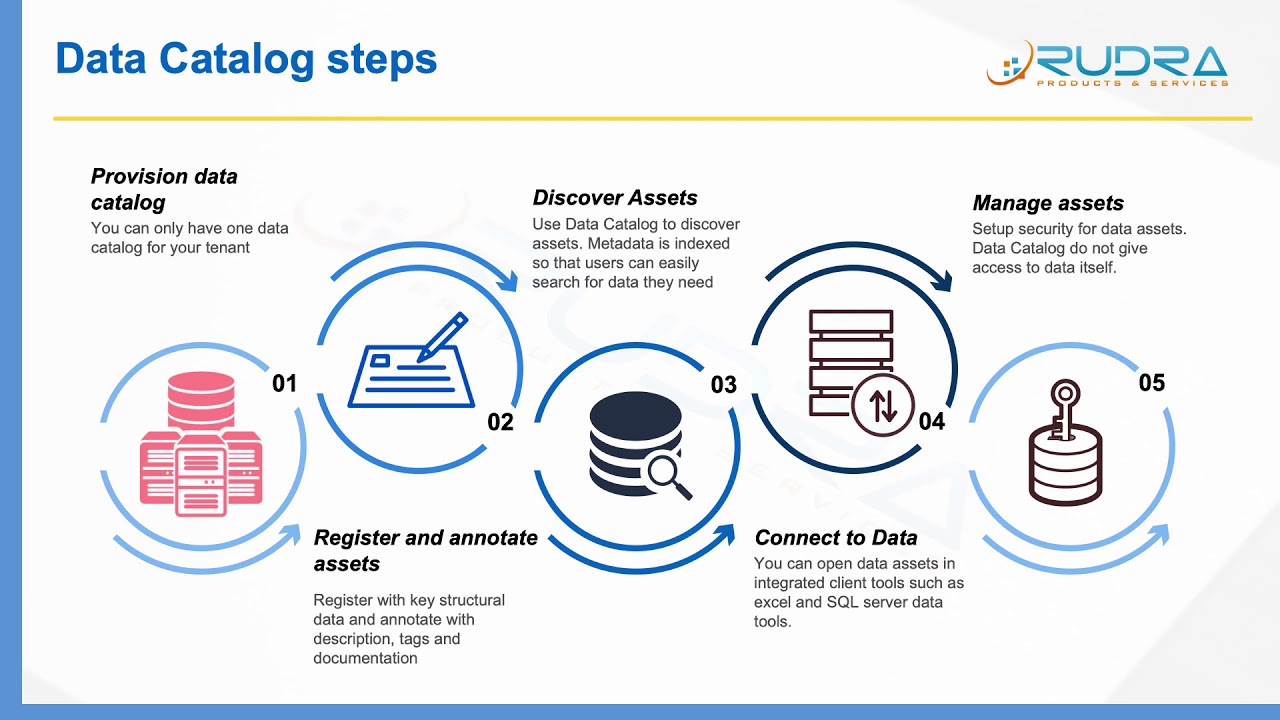
Introduction to Azure data catalog YouTube
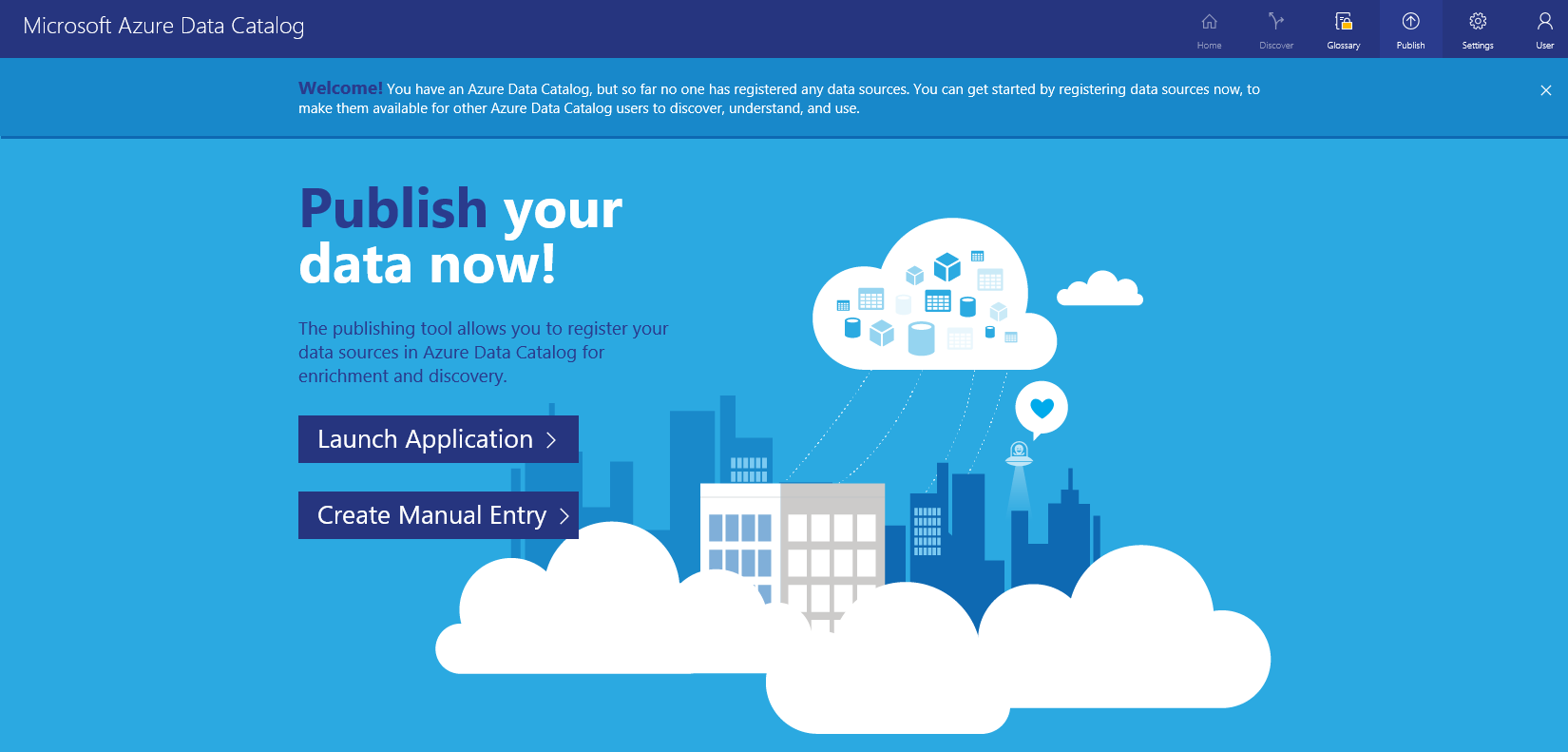
Quickstart Create an Azure Data Catalog Microsoft Learn
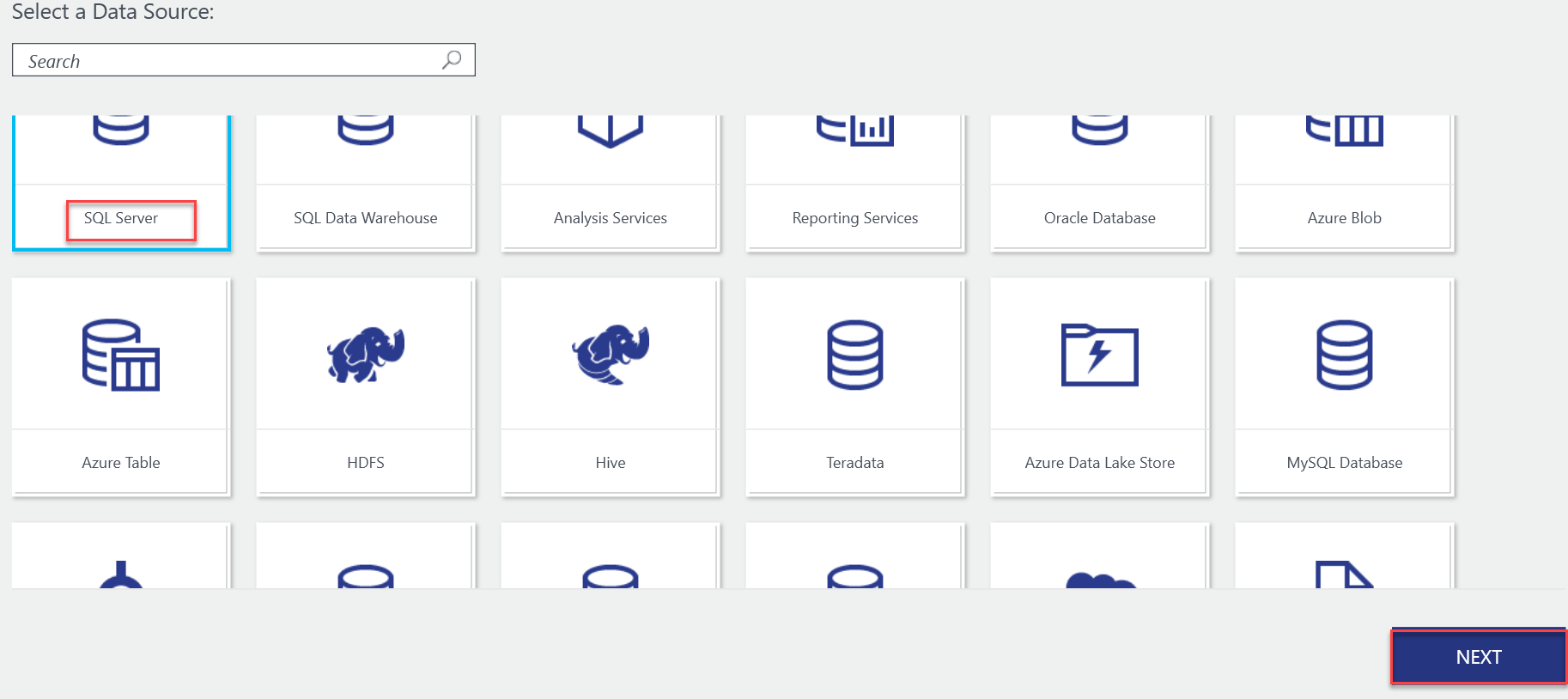
Getting started with Azure Data Catalog

Azure Data Catalog V2 element61
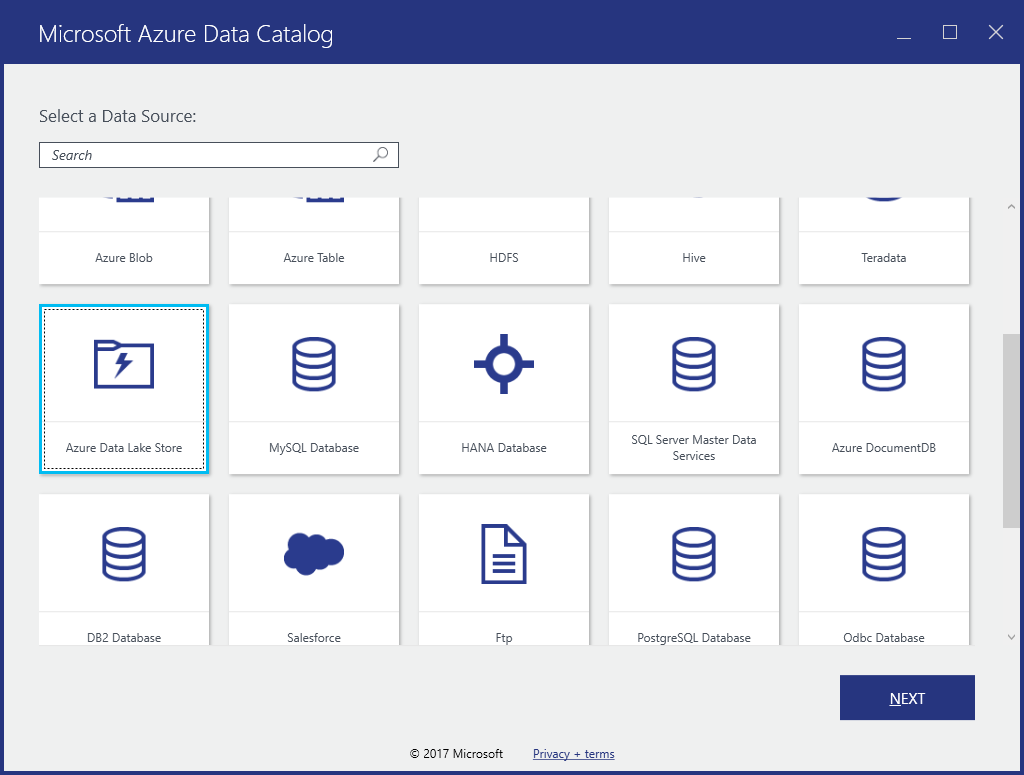
Integrate Data Lake Storage Gen1 with Azure Data Catalog Microsoft Learn
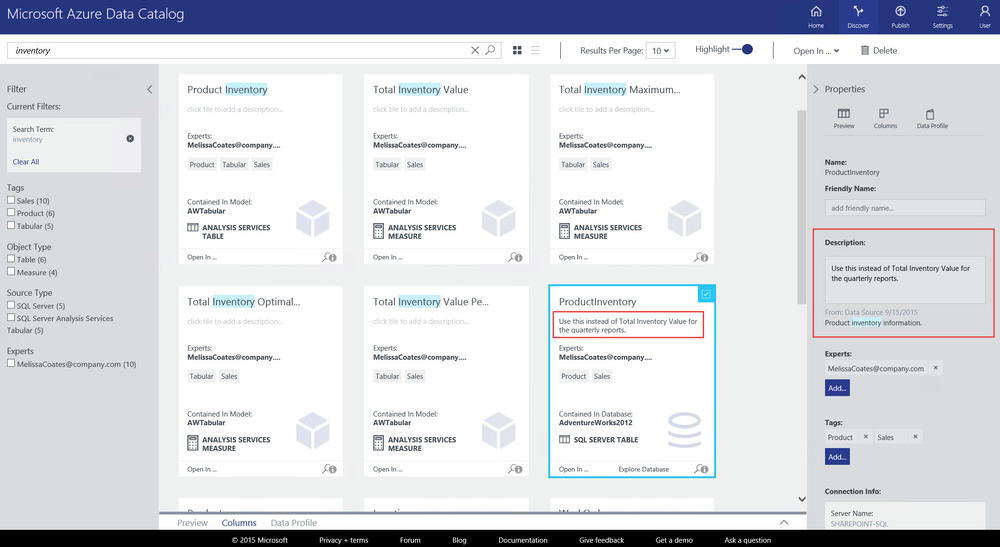
Azure Data Catalog DBMS Tools
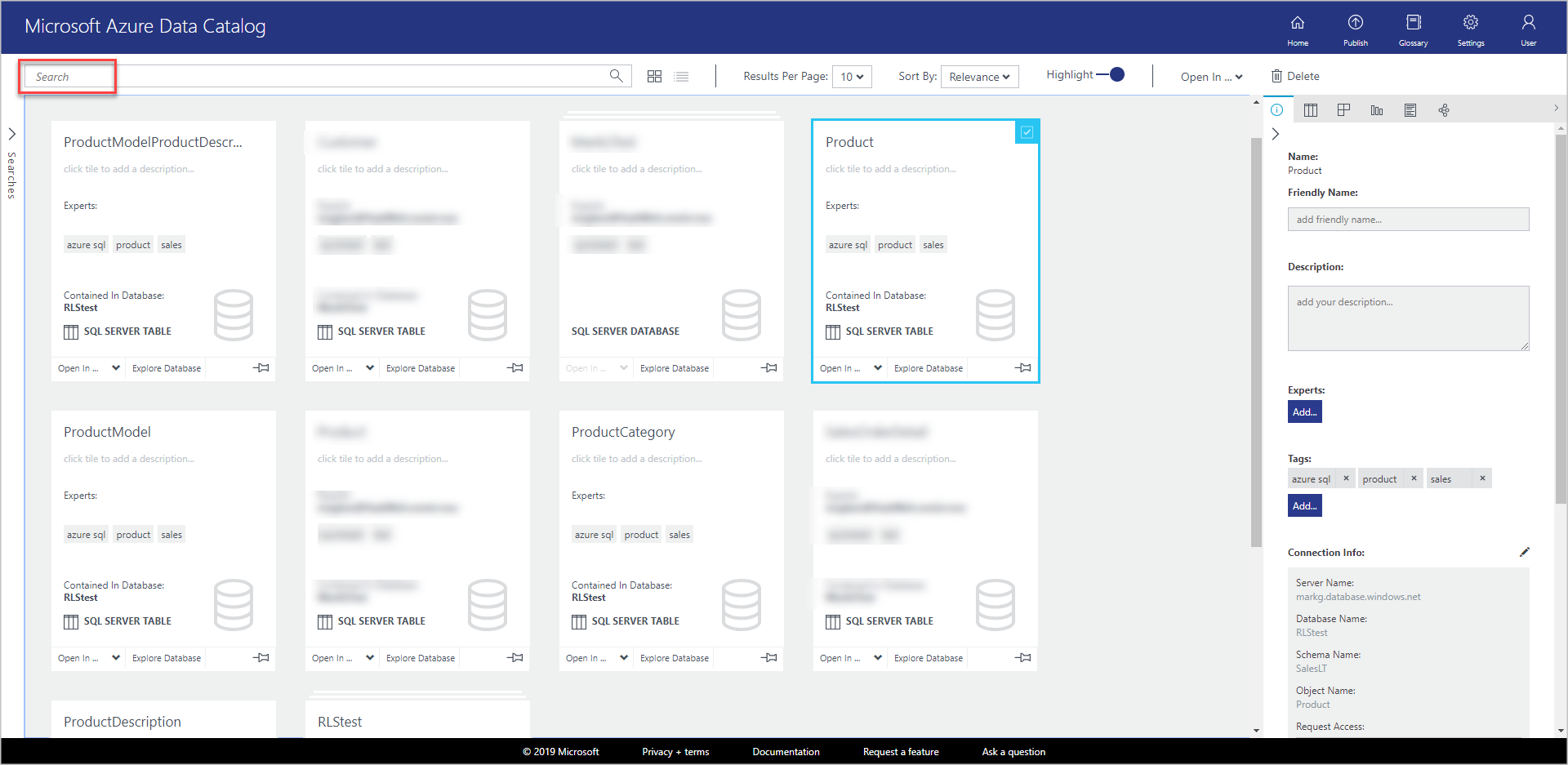
Microsoft Azure Data Catalog Glossary Setup 4 Sql Mel vrogue.co
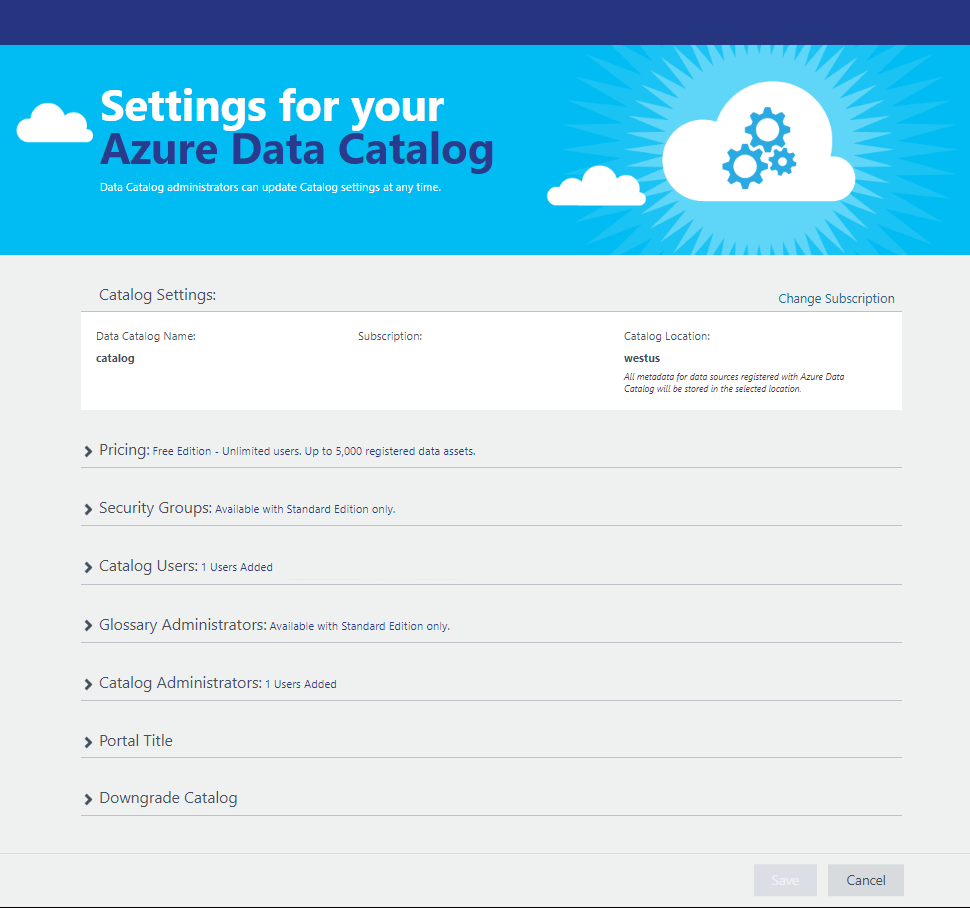
Quickstart Create an Azure Data Catalog Microsoft Learn

Azure Data Catalog YouTube
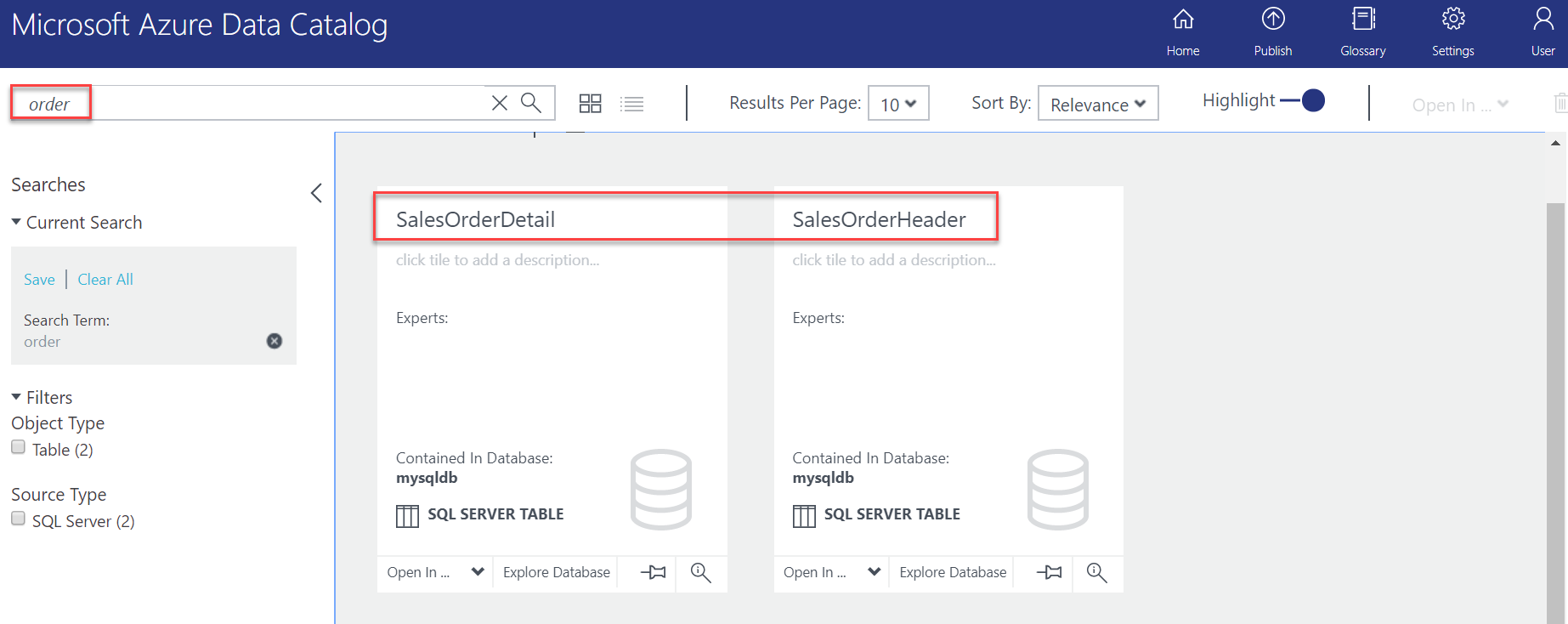
Getting started with Azure Data Catalog
I Want To Add Column Description To My Azure Data Catalog Assets.
I Am Trying To Run A Data Engineering Job On A Job Cluster Via A Pipeline In Azure Data Factory.
You Can Use The Databricks Notebook Activity In Azure Data Factory To Run A Databricks Notebook Against The Databricks Jobs Cluster.
I Am Looking To Copy Data From Source Rdbms System Into Databricks Unity Catalog.
Related Post: