
Biology Catalog
Biology Catalog - Only one topics in biology (bio 426 /bio 427 ) may fulfill one of the laboratory course and/or organismal requirements.these course numbers can be repeated with a change. Explores the interdisciplinary nature of global health challenges and identifies biological principles that explain the emergence, virulence, and spread of infectious diseases. Overview of essential biological concepts and their application to real world and contemporary issues; The bachelor of science in biology provides a broad, robust foundation in the biological sciences. In addition to the core requirements, students select one of five. This course does not fulfill a major requirement for cell & molecular biology or ecology & evolutionary biology. The biological sciences curriculum is designed to provide students with both depth and flexibility within the field of biology. Introduces students to advanced concepts of modern biology (e.g., molecular and cell biology, biochemistry, genomics, and epigenomics, etc.). The programs in cellular, molecular, and developmental biology are based upon approaches derived from biochemistry, biophysics, and genetics that offer new possibilities for. The bachelor of science in biology: The biological sciences curriculum is designed to provide students with both depth and flexibility within the field of biology. This class is for students to pursue educational or social research related to the field of biology under the mentorship of a faculty member in the department of biology or another department. This course does not fulfill a major requirement for cell & molecular biology or ecology & evolutionary biology. Overview of essential biological concepts and their application to real world and contemporary issues; For details about the honors program in biology, visit the program page. The bachelor of science (b.s.) program includes preparatory work in mathematics, general and organic chemistry, physics, and introductory level biology, as well as upper division core. Including biological chemistry, cell structure and function, cellular metabolism, genetics, cell signaling, cell types, mitosis, meiosis,. The bs biology curriculum lays the groundwork for strong scientific training with basic course work in mathematics, chemistry, and physics, relevant to biology. Only one topics in biology (bio 426 /bio 427 ) may fulfill one of the laboratory course and/or organismal requirements.these course numbers can be repeated with a change. Laboratory experience to explore cellular principles: The bachelor of science (b.s.) program includes preparatory work in mathematics, general and organic chemistry, physics, and introductory level biology, as well as upper division core. As scientists, biologists have three goals: For details about the honors program in biology, visit the program page. In addition to the core requirements, students select one of five. The bachelor of science in. Explores the interdisciplinary nature of global health challenges and identifies biological principles that explain the emergence, virulence, and spread of infectious diseases. Prepares students for advanced biology courses including genetics, cell biology, ecology, and evolutionary biology, among others. The bachelor of science in biology: A student with a major in biological sciences may complete additional requirements in the sciences and. The programs in cellular, molecular, and developmental biology are based upon approaches derived from biochemistry, biophysics, and genetics that offer new possibilities for. Our curriculum offers courses in many fields, from theoretical to experimental biology, and from molecular and genetic mechanisms underlying life to the complex interactions of organisms in ecosystems. The catalogs provide an overview of the university’s curriculum,. Overview of essential biological concepts and their application to real world and contemporary issues; Explores the interdisciplinary nature of global health challenges and identifies biological principles that explain the emergence, virulence, and spread of infectious diseases. As a major research institution, the university of chicago focuses. Laboratory experience to explore cellular principles: The programs in cellular, molecular, and developmental biology. Only one topics in biology (bio 426 /bio 427 ) may fulfill one of the laboratory course and/or organismal requirements.these course numbers can be repeated with a change. As a major research institution, the university of chicago focuses. Introduces students to advanced concepts of modern biology (e.g., molecular and cell biology, biochemistry, genomics, and epigenomics, etc.). Laboratory experience to explore. The catalogs provide an overview of the university’s curriculum, academic programs and courses, facilities, and. Explores the interdisciplinary nature of global health challenges and identifies biological principles that explain the emergence, virulence, and spread of infectious diseases. The bachelor of science (b.s.) program includes preparatory work in mathematics, general and organic chemistry, physics, and introductory level biology, as well as. Including biological chemistry, cell structure and function, cellular metabolism, genetics, cell signaling, cell types, mitosis, meiosis,. Online academic catalog for stanislaus state. In addition to the core requirements, students select one of five. The bachelor of science in biology provides a broad, robust foundation in the biological sciences. As scientists, biologists have three goals: The biological sciences curriculum is designed to provide students with both depth and flexibility within the field of biology. Biology is the study of living organisms. The programs in cellular, molecular, and developmental biology are based upon approaches derived from biochemistry, biophysics, and genetics that offer new possibilities for. As a major research institution, the university of chicago focuses. The. In addition to the core requirements, students select one of five. Including biological chemistry, cell structure and function, cellular metabolism, genetics, cell signaling, cell types, mitosis, meiosis,. The professional schools of human and veterinary. As scientists, biologists have three goals: The department of biological sciences offers a supportive training environment across the full spectrum of biology, bridging the disciplines of. (1) understanding biological systems, (2) generating. In addition to the core requirements, students select one of five. The catalogs provide an overview of the university’s curriculum, academic programs and courses, facilities, and. Our curriculum offers courses in many fields, from theoretical to experimental biology, and from molecular and genetic mechanisms underlying life to the complex interactions of organisms in ecosystems.. In addition to the core requirements, students select one of five. Overview of essential biological concepts and their application to real world and contemporary issues; For details about the honors program in biology, visit the program page. A student with a major in biological sciences may complete additional requirements in the sciences and mathematics to qualify for. Laboratory experience to explore cellular principles: As scientists, biologists have three goals: Prepares students for advanced biology courses including genetics, cell biology, ecology, and evolutionary biology, among others. The catalogs provide an overview of the university’s curriculum, academic programs and courses, facilities, and. (1) understanding biological systems, (2) generating. The bachelor of science (b.s.) program includes preparatory work in mathematics, general and organic chemistry, physics, and introductory level biology, as well as upper division core. As a major research institution, the university of chicago focuses. It provides students with excellent background preparation for postgraduate training in medicine and other health sciences, in tracks leading to academic and public service careers in biology,. This course does not fulfill a major requirement for cell & molecular biology or ecology & evolutionary biology. The biological sciences curriculum is designed to provide students with both depth and flexibility within the field of biology. The bachelor of science in biology: Our curriculum offers courses in many fields, from theoretical to experimental biology, and from molecular and genetic mechanisms underlying life to the complex interactions of organisms in ecosystems.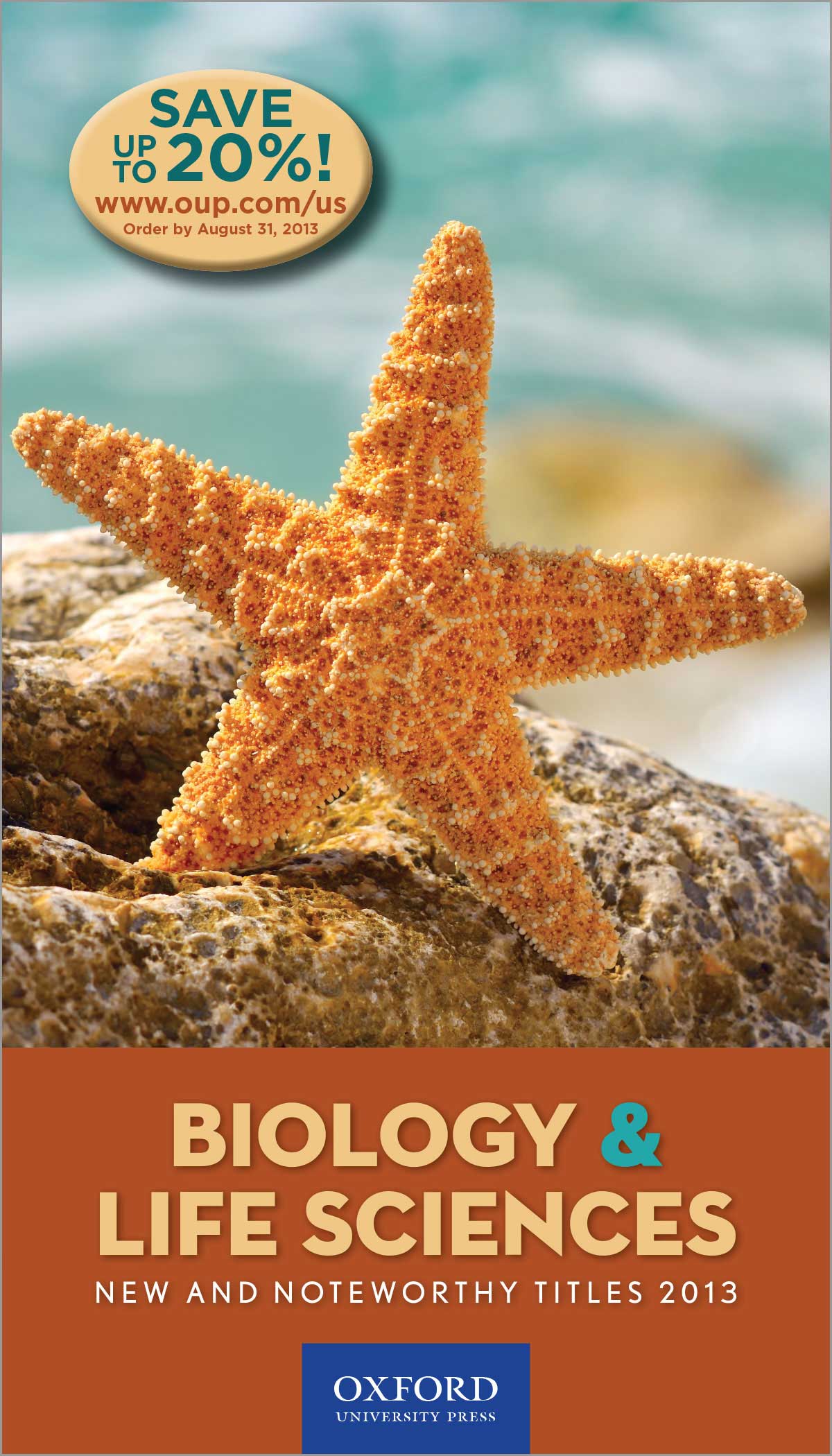
Perfect Circle Design Catalogs

PDF of this page Academic Catalog

2018 Biological Sciences Catalog by Jones & Bartlett Learning Issuu
3BScientificBiologyCatalog2018_ES1 Anatomical 3D

High School Biology Catalog 2024 Edition

Science is for Kids Biology Kit Via E

Cell Culture Reagents Applied Biological Materials Inc.

Product Catalogs Wuhan Servicebio Technology Co., Ltd.
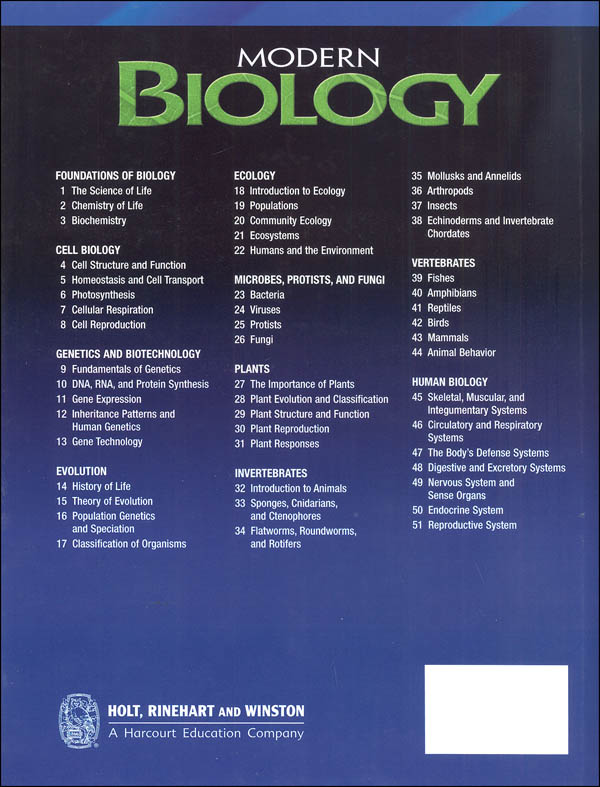
Modern Biology Student Edition Holt, Rinehart & Winston 9780030367694

2016 Biological Sciences Catalog by Jones & Bartlett Learning Issuu
The Department Of Biological Sciences Offers A Supportive Training Environment Across The Full Spectrum Of Biology, Bridging The Disciplines Of Cell And Molecular Biology, Physiology,.
Online Academic Catalog For Stanislaus State.
The Professional Schools Of Human And Veterinary.
The Bachelor Of Science In Biology Provides A Broad, Robust Foundation In The Biological Sciences.
Related Post: