
Data Catalog Use Cases
Data Catalog Use Cases - What is a data catalog? Let’s explore these in depth, along with the relevant use cases and data catalog capabilities that support them. It exposes a standard iceberg rest catalog interface, so you can connect the engines you already use, like spark, snowflake, and pyiceberg. The more business cases that a data product supports, the faster a company can book the value of each of them. These centralized repositories provide a comprehensive view of an organization's data assets, including metadata information such as structure, quality, location, and relationships. When it comes to official industry definitions, a data catalog is an organized inventory of a company’s data assets. The first is the acceleration in capturing a use case’s value—in some cases, by as much as 90 percent. Data discovery is perhaps the most straightforward solution provided by a data catalog and a great place for most enterprises to start their data catalog journey. It will allow them to easily locate, understand, and utilize data across various sources, improving their productivity and efficiency. Learn the top use cases for a data catalog to close gaps in your data work and make decisions with clarity and speed. The blog explores different use cases, including governance, discovery, integration, lineage, and. What are the use cases of a data catalog? Here are seven of the top data catalog use cases in modern enterprises. Here are some key use cases demonstrating the diverse applications: It exposes a standard iceberg rest catalog interface, so you can connect the engines you already use, like spark, snowflake, and pyiceberg. It will allow them to easily locate, understand, and utilize data across various sources, improving their productivity and efficiency. What does a data catalog do? Data catalogs streamline the analytics process by providing a comprehensive view of available datasets. One insurance company, for example, used data products to capture $210 million of value from a set of use cases in its plan. Learn more about the data catalog uses cases that improve your data management processes. R2 data catalog makes it easy to turn an r2 bucket into a data warehouse or lakehouse for a variety of analytical workloads including. Accelerating insights, data projects, and ai. The blog explores different use cases, including governance, discovery, integration, lineage, and. Here are some key use cases demonstrating the diverse applications: The first is the acceleration in capturing a. Organizations can use data catalogs to streamline their storage and data management. The first is the acceleration in capturing a use case’s value—in some cases, by as much as 90 percent. What are the top use cases? One insurance company, for example, used data products to capture $210 million of value from a set of use cases in its plan.. It will allow them to easily locate, understand, and utilize data across various sources, improving their productivity and efficiency. Data catalogs serve as versatile solutions, addressing the complexities of modern data management. A data catalog is an organized collection of metadata that describes the content and structure of data sources. What are the top use cases? The first is the. Below are some of the use cases for a data catalog. Data catalog adoption can help in many ways, from democratizing data in an organization to protecting data subject to fines under new privacy laws. This can help organizations avoid using outdated or incorrect data, which can lead to costly errors and inefficiencies. What is a data catalog? Here are. What are the top use cases? Below are the six most common use cases for a data catalog: This saves effort and time and helps teams be more productive. Here are four key ways a data catalog drives business value: R2 data catalog makes it easy to turn an r2 bucket into a data warehouse or lakehouse for a variety. They are, simply put, collections of information about all the available data sets an organization has or can access, helping those within it find what they need quickly and easily. Zoom in on the data catalogue and examples of tools. Here are four key ways a data catalog drives business value: Learn how enterprises are utilizing data catalogs in this. The first is the acceleration in capturing a use case’s value—in some cases, by as much as 90 percent. Data catalogs play an important role in facilitating data transformations. Combining powerful data catalog capabilities with denodo’s centralized logical data access layer offers a unified view of data products and services. Below are some of the use cases for a data. What are the top use cases? Let’s explore these in depth, along with the relevant use cases and data catalog capabilities that support them. A data catalog provides a detailed description of what data contains and what a business uses it for. What is a data catalog? Data catalogs play an important role in facilitating data transformations. Learn more about benefits, use cases, and more. Data catalogs play an important role in facilitating data transformations. The first is the acceleration in capturing a use case’s value—in some cases, by as much as 90 percent. This can help organizations avoid using outdated or incorrect data, which can lead to costly errors and inefficiencies. It will allow them to. It exposes a standard iceberg rest catalog interface, so you can connect the engines you already use, like spark, snowflake, and pyiceberg. They are, simply put, collections of information about all the available data sets an organization has or can access, helping those within it find what they need quickly and easily. Combining powerful data catalog capabilities with denodo’s centralized. Here are four key ways a data catalog drives business value: R2 data catalog is a managed apache iceberg ↗ data catalog built directly into your r2 bucket. These centralized repositories provide a comprehensive view of an organization's data assets, including metadata information such as structure, quality, location, and relationships. It exposes a standard iceberg rest catalog interface, so you can connect the engines you already use, like spark, snowflake, and pyiceberg. Below are some of the use cases for a data catalog. Combining powerful data catalog capabilities with denodo’s centralized logical data access layer offers a unified view of data products and services. What does a data catalog do? The first is the acceleration in capturing a use case’s value—in some cases, by as much as 90 percent. Find out more in this article, including definitions, functionalities, use cases and software examples. Zoom in on the data catalogue and examples of tools. Here are some key use cases demonstrating the diverse applications: The blog explores different use cases, including governance, discovery, integration, lineage, and. A data catalog can help ensure that data is accurate and up to date by providing information about the data’s source, lineage, and classification. Data discovery is perhaps the most straightforward solution provided by a data catalog and a great place for most enterprises to start their data catalog journey. Data catalog adoption can help in many ways, from democratizing data in an organization to protecting data subject to fines under new privacy laws. Here are seven of the top data catalog use cases in modern enterprises.
Free Download What are a data catalog's use cases?

What is a Data Catalog? Benefits and Use Cases Informatica
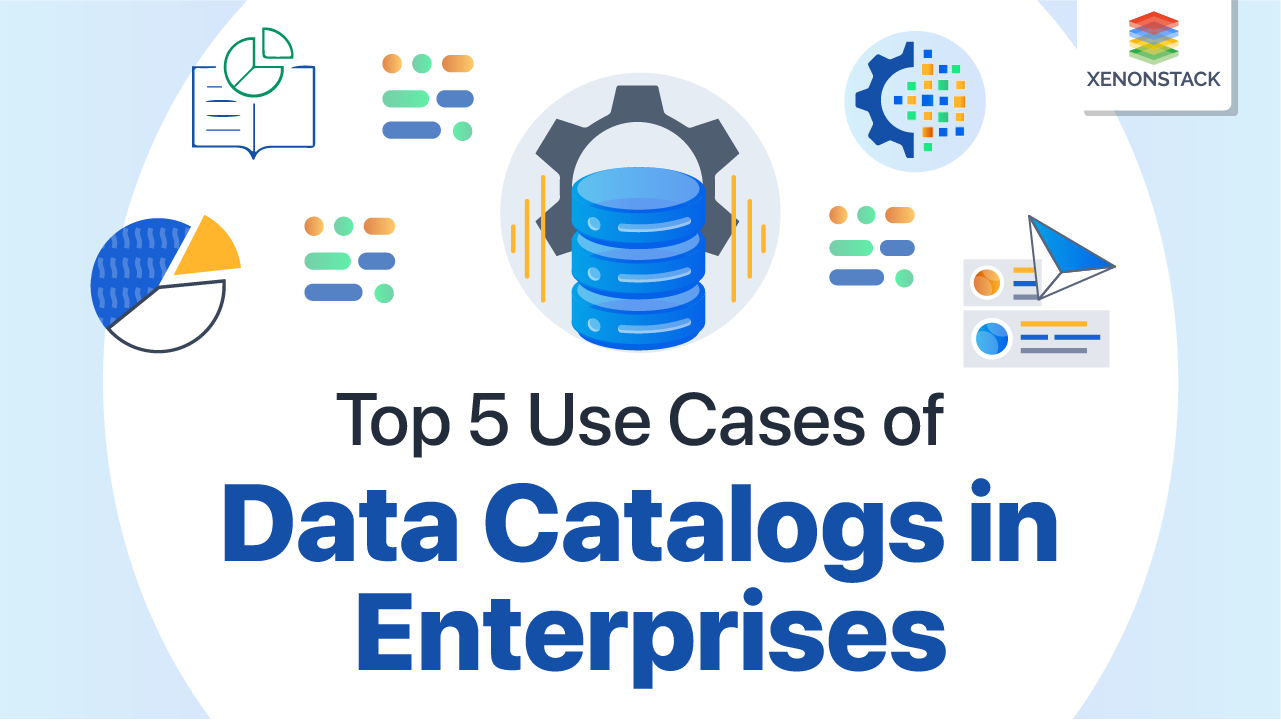
Top 5 Use Cases of Data Catalog in Enterprises
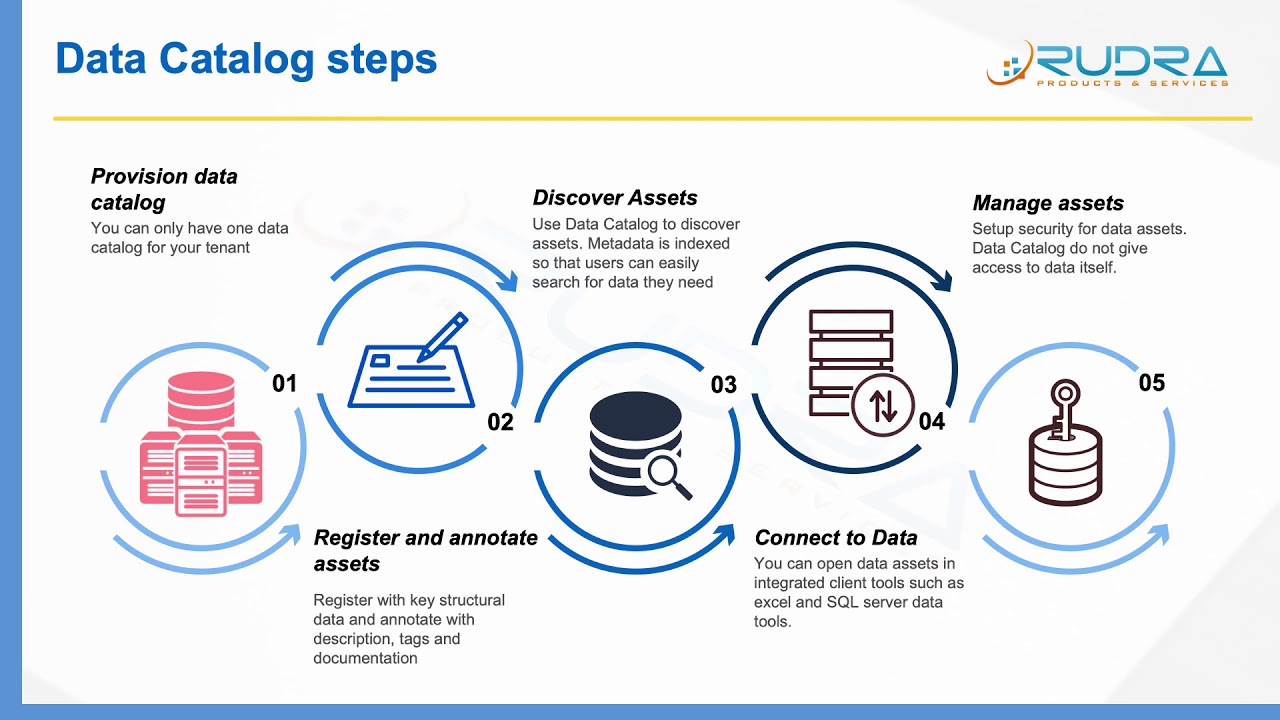
3 Reasons Why You Need a Data Catalog for Data Warehouse
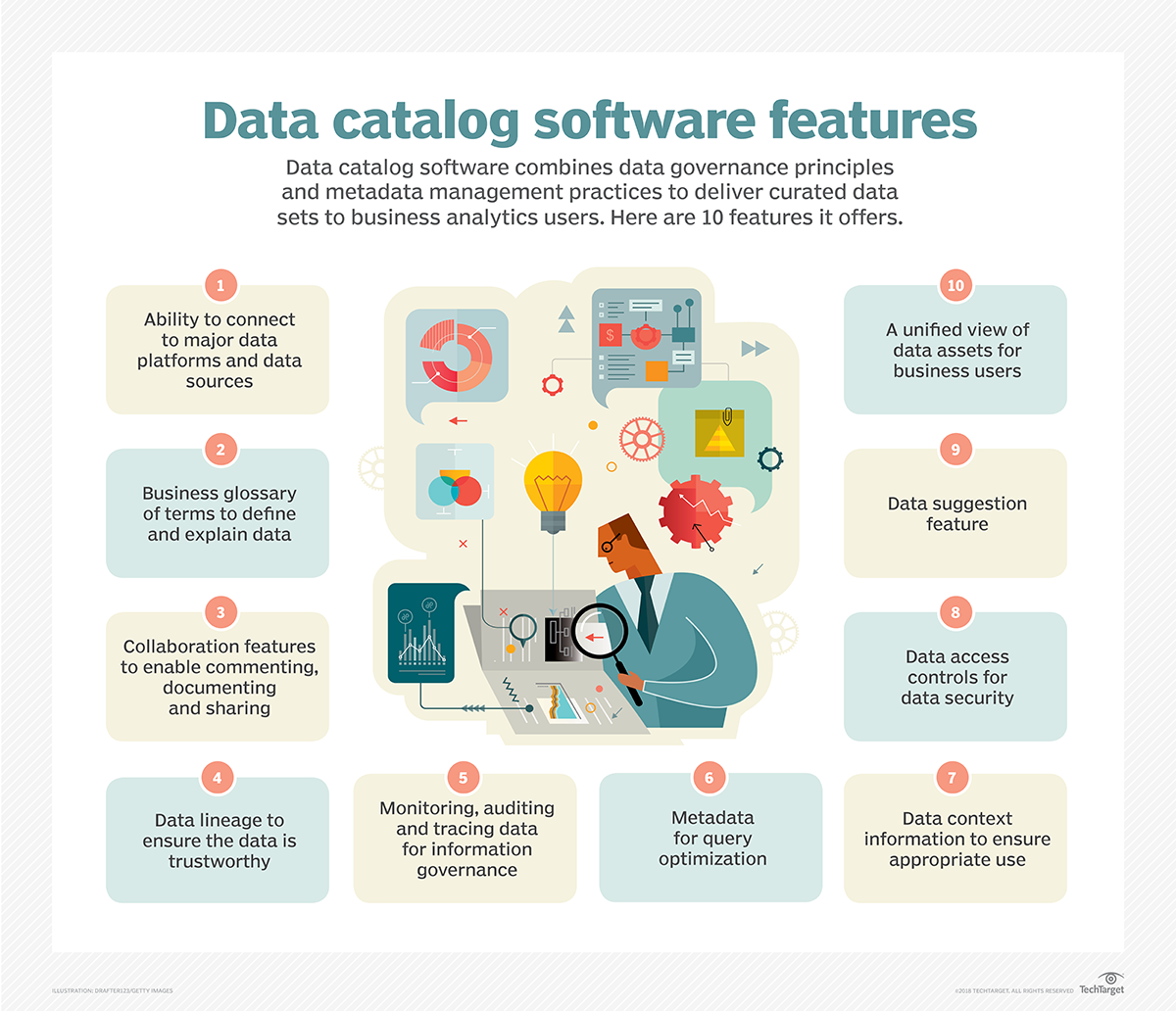
Top 7 data catalog use cases for enterprises TechTarget
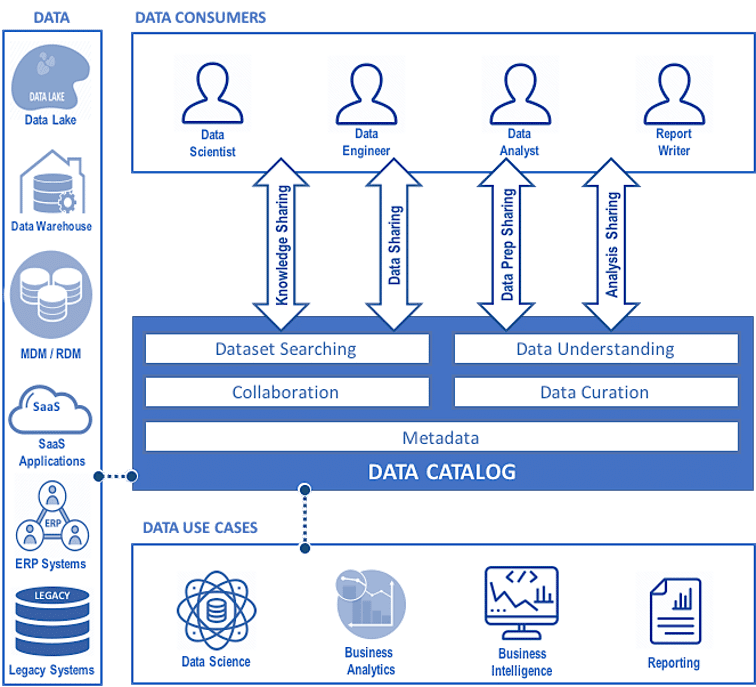
What Features Do You Need in A Successful Data Catalog? Alation
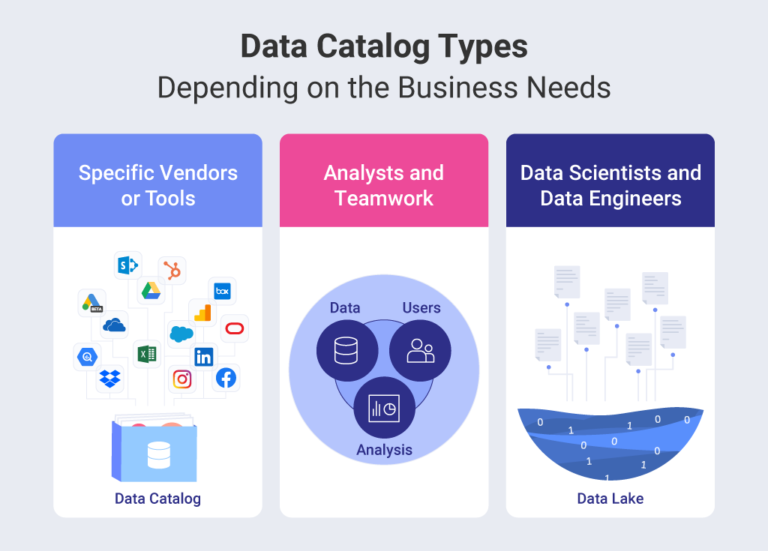
What Is A Data Catalog & Why Do You Need One?
.png)
Top 6 Data Catalog Use Cases in 2023 Castor Blog
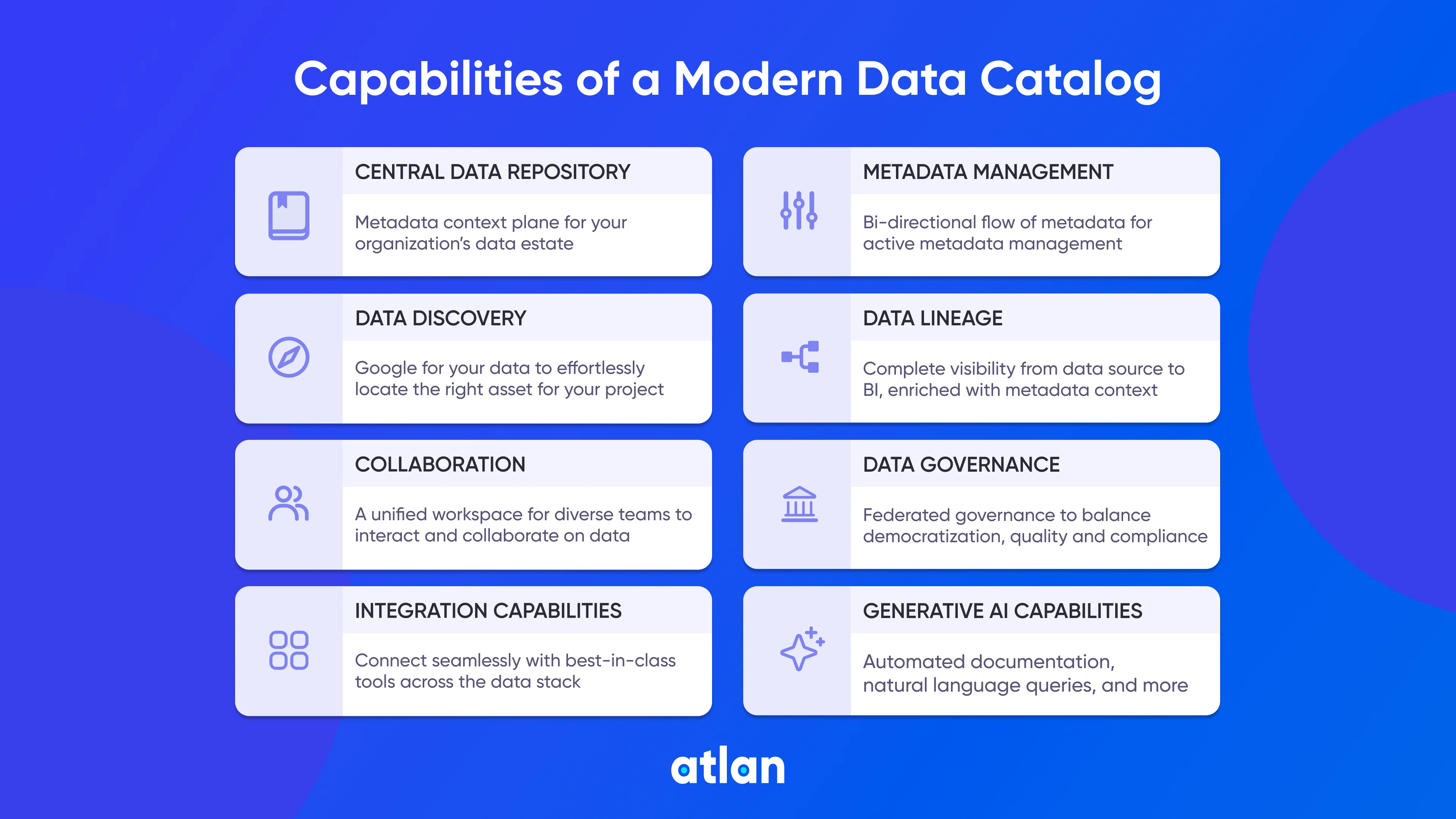
What Is a Data Catalog? Definition, Benefits, and Business Use Cases
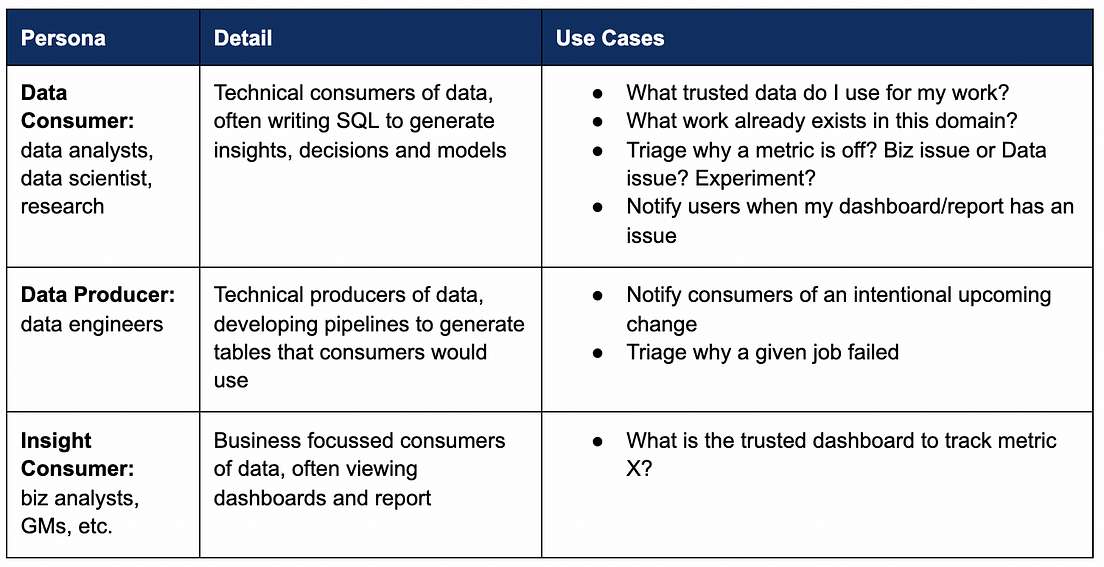
How to Make Your Data Catalog Successful by Mark Grover Towards
Let’s Explore These In Depth, Along With The Relevant Use Cases And Data Catalog Capabilities That Support Them.
A Data Catalog Is More Than Just A Management Tool—It’s A Strategic Enabler That Transforms The Way Businesses Find, Access, And Optimize Data Assets.
A Data Catalog Is An Organized Collection Of Metadata That Describes The Content And Structure Of Data Sources.
It Will Allow Them To Easily Locate, Understand, And Utilize Data Across Various Sources, Improving Their Productivity And Efficiency.
Related Post: