What Does Catalog Year Mean For College
What Does Catalog Year Mean For College - The catalog year determines which version of degree requirements for which a student is responsible. A student's catalog year identifies the particular set of curriculum requirements and regulations, including general education and university requirements, in effect for program. Could anyone explain what to put in? Your catalog year refers to the academic year you were first admitted into the university of louisville. Different catalog year and terms may apply to different degree. A student’s catalog year and term is determined by rules set by the school/college offering the degree program. Academic years are different than calendar years. Academic years encompass the fall, winter and spring/summer. Catalogs are revised each year to include corrections and approved changes, so it is very important for students to look at the appropriate catalog year to make sure they are following. Catalog year denotes graduation/degree requirements of any ucf program in effect since the student began continuous enrollment at ucf. An academic year is comprised of semesters and termsfall semester, winter term, spring. Your catalog year refers to the academic year you were first admitted into the university of louisville. Your catalog year is the academic year you started at gvsu. The csu and csuf occasionally modify graduation requirements. Undergraduate students an undergraduate student’s catalog year is the academic year when the student is first enrolled in an undergraduate degree program. Generally, the catalog year is determined at the time of admission. The catalog year determines which version of degree requirements for which a student is responsible. Academic years are different than calendar years. A student's catalog year is initially established as the academic year in which they. Your catalog year is important because you follow the curriculum requirements that. My college wants me to fill out this intent to graduate form because i'm graduating this year but i'm not sure what it means by catalog year. Academic years encompass the fall, winter and spring/summer. Could anyone explain what to put in? A student’s catalog year and term is determined by rules set by the school/college offering the degree program.. Your catalog year is important because you follow the curriculum requirements that. What is my catalog year and why is it important? My college wants me to fill out this intent to graduate form because i'm graduating this year but i'm not sure what it means by catalog year. Your catalog year refers to the academic year you were first. Different catalog year and terms may apply to different degree. Catalog year determines the set of academic requirements that must be fulfilled for graduation. Undergraduate students an undergraduate student’s catalog year is the academic year when the student is first enrolled in an undergraduate degree program. Catalog year denotes graduation/degree requirements of any ucf program in effect since the student. Normally, it is in your best interest to commit to the catalog year, that is, the general education, major and minor requirements, that were in effect when you first enrolled at csuf or when. A catalog year defines which degree requirements a student will follow, which spans over a cycle beginning in fall, continues to spring, and completes at the. If you have been in continuous attendance, you may choose to meet the csuf campus graduation requirements in the csuf catalog that was. My college wants me to fill out this intent to graduate form because i'm graduating this year but i'm not sure what it means by catalog year. A student's catalog year identifies the particular set of curriculum. Catalog year is the academic year when the student gets admission in a school or university. The csu and csuf occasionally modify graduation requirements. Academic years encompass the fall, winter and spring/summer. What is my catalog year and why is it important? Catalog year determines the set of academic requirements that must be fulfilled for graduation. Generally, the catalog year is determined at the time of admission. The catalog year determines which version of degree requirements for which a student is responsible. Academic years encompass the fall, winter and spring/summer. Undergraduate students an undergraduate student’s catalog year is the academic year when the student is first enrolled in an undergraduate degree program. Different catalog year and. Academic years are different than calendar years. A student's catalog year is the year he / she began attending appalachian state university, not the year the student declared a major. Academic years encompass the fall, winter and spring/summer. A student's catalog year is initially established as the academic year in which they. Undergraduate students an undergraduate student’s catalog year is. A catalog year defines which degree requirements a student will follow, which spans over a cycle beginning in fall, continues to spring, and completes at the end of the summer term. Academic years encompass the fall, winter and spring/summer. A student's catalog year is the year he / she began attending appalachian state university, not the year the student declared. A student's catalog year, also known as requirement term in oasis, is important because it determines the contract of degree requirements a student must fulfill in order to graduate. The csu and csuf occasionally modify graduation requirements. If you have been in continuous attendance, you may choose to meet the csuf campus graduation requirements in the csuf catalog that was.. A catalog year runs from fall through summer, and a student who enters during the fall or spring semester follows the policies and requirements in effect for that catalog year. Generally, the catalog year is determined at the time of admission. Catalog year determines the set of academic requirements that must be fulfilled for graduation. What is my catalog year and why is it important? Could anyone explain what to put in? A student's catalog year identifies the particular set of curriculum requirements and regulations, including general education and university requirements, in effect for program. Catalog year denotes graduation/degree requirements of any ucf program in effect since the student began continuous enrollment at ucf. The csu and csuf occasionally modify graduation requirements. Normally, it is in your best interest to commit to the catalog year, that is, the general education, major and minor requirements, that were in effect when you first enrolled at csuf or when. A student’s catalog year and term is determined by rules set by the school/college offering the degree program. An academic year is comprised of semesters and termsfall semester, winter term, spring. Your catalog year refers to the academic year you were first admitted into the university of louisville. Your catalog year is important because you follow the curriculum requirements that. Academic years are different than calendar years. The graduate rate in any education institute is decided according to the catalog year. Different catalog year and terms may apply to different degree.
Admissions Course Descriptions, Class Descriptions Admissions and

The Year of Catalog Catalog
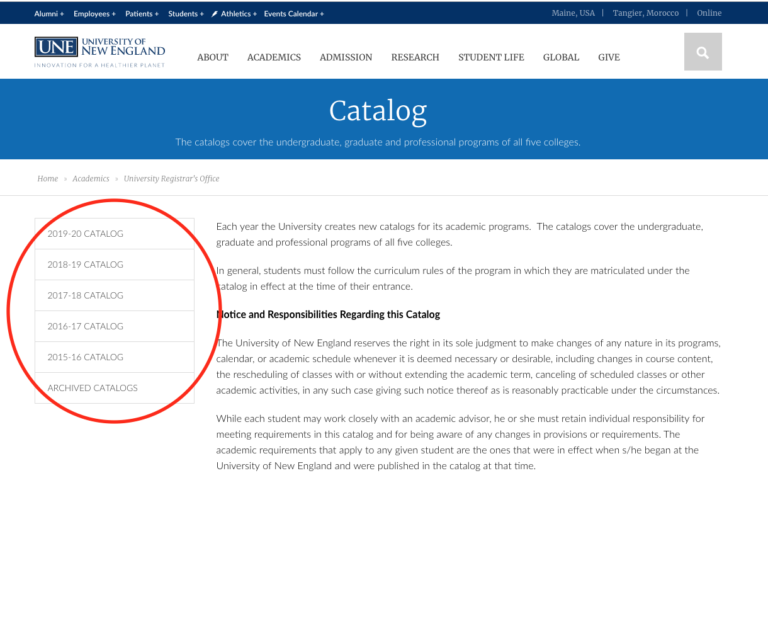
How to See the Course Catalog Descriptions from a Specific Year
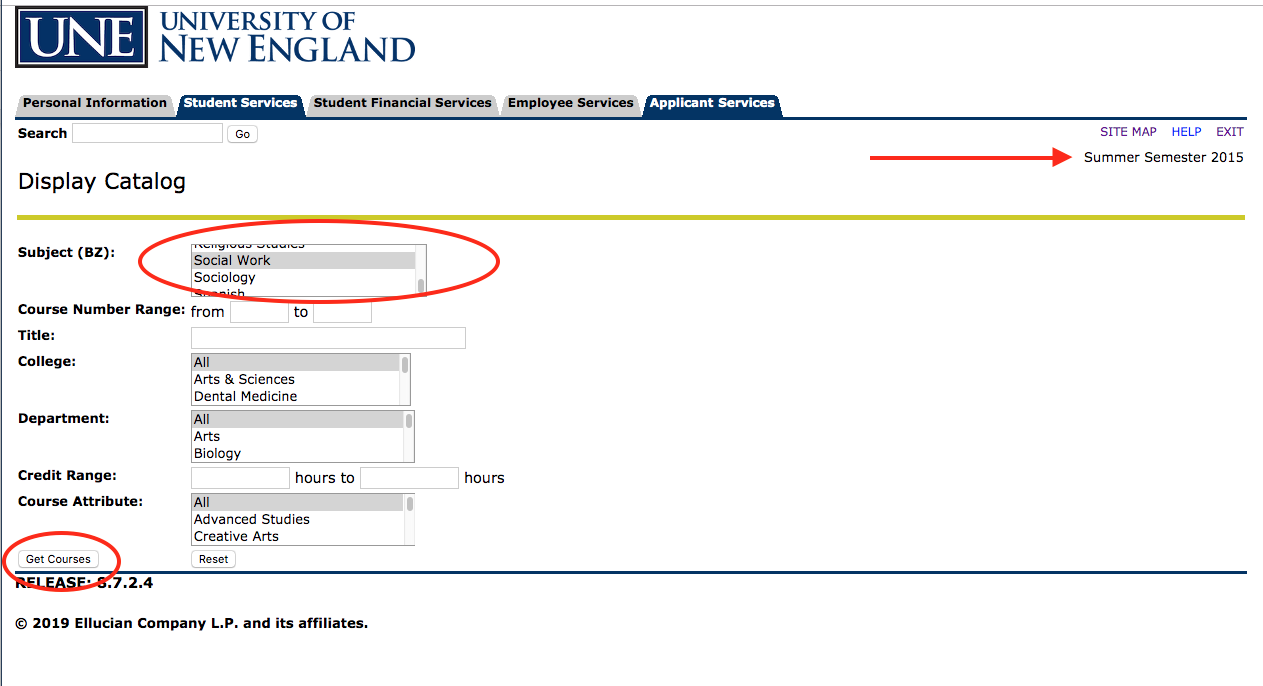
How to See the Course Catalog Descriptions from a Specific Year

20132014 Undergraduate Academic Catalog

Schedules And Catalogs Garrett College
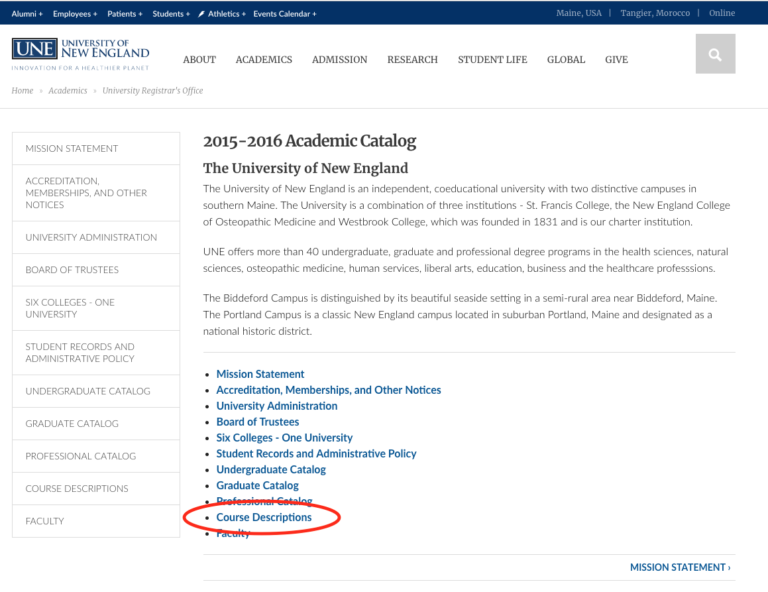
How to See the Course Catalog Descriptions from a Specific Year

What Is Catalog Year In College at Fernande Frank blog
20112012 CPCC College Catalog Academic Term Collaboration
Metropolitan Community College SmartCatalog
Your Catalog Defines The Particular Degree Requirements You Must Satisfy In Order To Graduate.
If You Have Been In Continuous Attendance, You May Choose To Meet The Csuf Campus Graduation Requirements In The Csuf Catalog That Was.
The Undergraduate Catalog Year Is Determined By The Academic Year That You Started At Iup.
Your Catalog Year Is The Academic Year You Started At Gvsu.
Related Post: